
Advertisements
We’ve all heard of how revered cats were to the Ancient Egyptians. They were the embodiment of one of their deities, Bastet, the goddess of pregnancy and fertility. In fact, cats were so beloved that when the Persians came knocking in 525 BC with depictions of cats on their shields, Egyptian soldiers dared not toss their spears at the invading army out of fear of ruining an image of a cat.
But other cultures felt differently about cats. Fast-forward to the 13th century to the time of Pope Gregory IX, and you’ll find stories of how the Catholic Church viewed these four-legged beasts were considered the personification of Satan himself. Some claim that the extermination of cats in Europe would bring about the Black Plague and ravage about one-third of Europe’s population.
But how historically accurate is the belief that the Pope had an undying hatred for cats?
The Story of Pope Gregory IX’s Hatred toward Cats
The story starts with cats being imported to Europe by Romans who had domesticated them for chasing and killing rats. Since vermin led to the destruction of crops, they were more than happy to let cats hunt them down while offering them shelter and scraps.
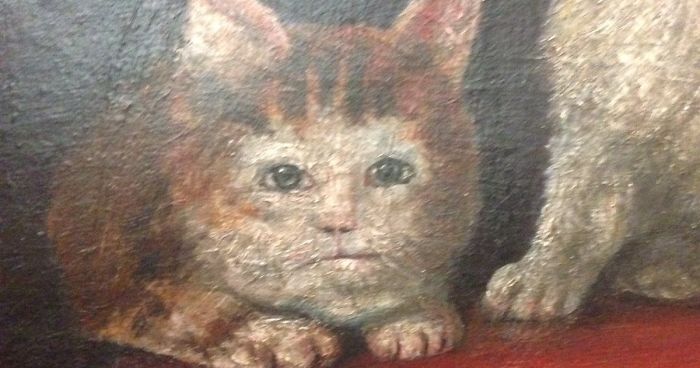
However, the human-feline relationship had deteriorated in the early-13th century when Pope Gregory IX issued the Vox in Rama, which supposedly declared cats as the embodiment and instruments of the Devil. This decree created disgust in cats, particularly black cats.
Drawing inspiration from the Vox in Rama, people across Europe began hunting and killing cats whenever possible. Logically, with the reduced population of vermin-killing felines, the population of disease-carrying rodents skyrocketed. Without cats to keep them in check, rats had free reign of Europe, leading to the accelerated spreading of the Black Plague.
Vox in Rama
While possible that Pope Gregory IX and his associates might have hated black cats, the Vox in Rama does now mention anything about his hatred of the animal. In fact, the only mention of cats in the Vox in Rama is that devil worshippers would have to kiss the anus of a cat to show his or her allegiance. At most, the papal bull indicates that cats are symbolic in Satanic cults, not that every Catholic should pick up arms and slay cats by the dozens.
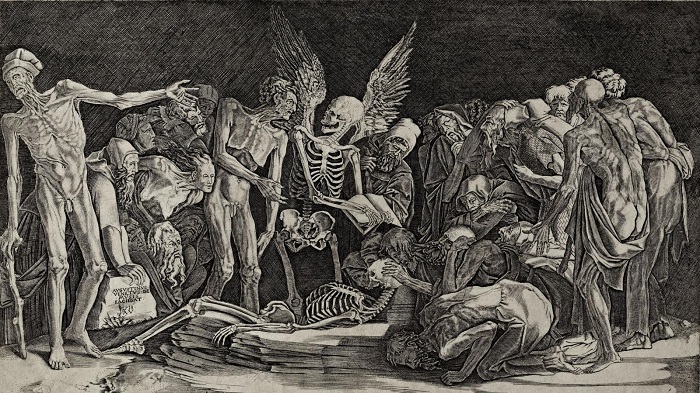
The very purpose of the Vox in Rama was primarily to condemn a cult whose beliefs and values were opposite those of the Catholic Church. Simply put, the Pope wanted to warn people about cult activities and how you can tell a Satan worshipper apart from a crowd.
Missing Link between Cat Killing and the Black Plague
The Vox in Rama was issued between 1232 and 1234, whereas the Black Plague destroyed Europe in 1347. While it’s possible that the Vox in Rama became a stage for murdering cats, it’s nearly impossible to associate two events that are more than 100 years apart.
In addition, the Black Plague wasn’t just a one-time event. The plague was present in Europe once every generation or so until the early 1700s. Cats were kept as household pets in Europe since before the 1600s, so a likelier reason for why rodents could spread the plague more quickly was that domesticated cats had no reason to hunt, not because of their dwindling numbers.